Why Influencer Marketing Strategies Are Essential for Enterprise Growth
Influencer marketing strategies have evolved from experimental tactics into mission-critical acquisition systems that drive measurable revenue at scale. Here’s what enterprise leaders need to know:
Core Components of High-Performance Influencer Marketing Strategies:
- Strategic Framework – Define system-level objectives tied to business outcomes, not just campaign metrics
- Portfolio Diversification – Build a mix of mega, macro, micro, and nano influencers based on reach vs. engagement trade-offs
- AI-Powered Vetting – Leverage automation to identify, screen, and validate influencer authenticity across markets
- Performance-Based Partnerships – Structure long-term relationships with clear deliverables, usage rights, and compliance guardrails
- Omnichannel Amplification – Repurpose influencer-generated content across paid media, email, and sales enablement
- Advanced Attribution – Track ROI through multi-touch models, UTM parameters, and custom affiliate codes
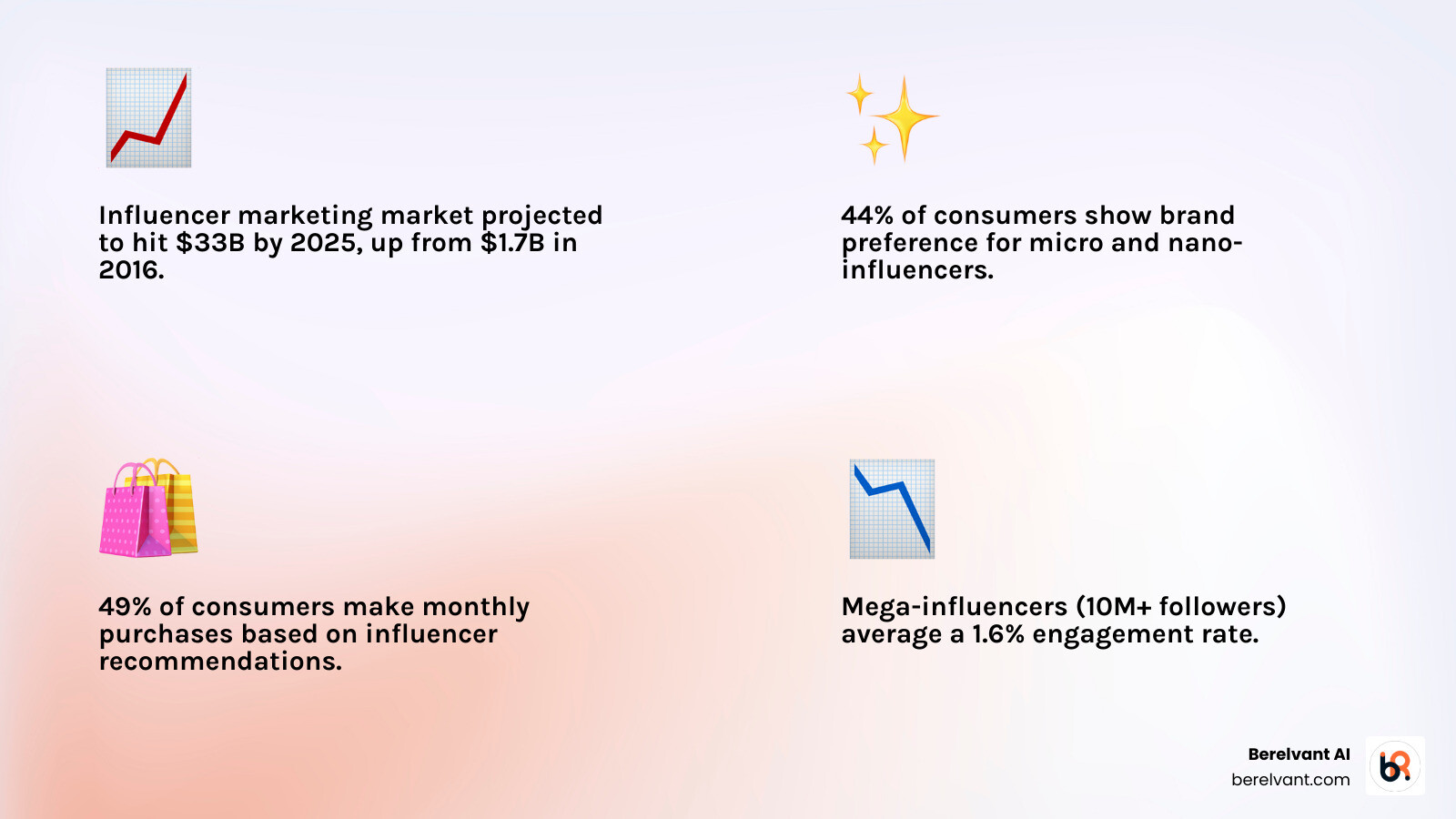
The influencer marketing industry reached $24 billion in 2024 and is projected to hit $33 billion by 2025. Yet nearly half of consumers believe most influencers are inauthentic. This paradox creates both risk and opportunity for enterprise brands. The organizations that win are those that build systems for influencer marketing—not just campaigns. They prioritize engagement over follower count, compliance over speed, and long-term partnerships over transactional posts.
For additional market context and adoption benchmarks, we reference independent industry analyses such as the Influencer marketing overview, which tracks global spend trends and platform-level shifts.
Why this matters now: 86% of consumers make at least one purchase per year based on influencer recommendations, and 49% buy monthly. For enterprise brands operating across multiple markets, influencer strategies offer precise audience targeting, authentic content creation, and the ability to penetrate niche segments that traditional media can’t reach efficiently. But execution at scale requires infrastructure—multilingual creative pipelines, real-time compliance monitoring, and performance analytics that integrate with your attribution models.
I’m Renzo Proano, founder of Berelvant AI, and I’ve managed over $300 million in digital ad spend across regulated industries including financial services, SaaS, and e-commerce. Throughout my work with enterprise clients, I’ve architected influencer marketing strategies that integrate AI-powered vetting, cross-market compliance, and performance-based partnership models to drive scalable, measurable growth.
Influencer marketing strategies vocab to learn:
Architecting Your Enterprise Influencer Framework
For enterprise organizations, influencer marketing strategies are not merely about celebrity endorsements; they are strategic imperatives for building brand trust at scale and driving measurable business outcomes. We approach this as architecting a robust framework, designed for the complexities of regulated industries, compliance-heavy environments, and multicultural audiences across the Americas.
The core benefit of incorporating influencer marketing into a brand’s strategy lies in its ability to overcome the growing skepticism towards traditional advertising. Consumers are increasingly turning to trusted voices for recommendations; nearly all consumers (86%) make a purchase inspired by an influencer at least once a year. This trust is paramount, especially when 88% of consumers say authenticity matters, yet nearly half believe most influencers are fake. Our task, then, is to bridge this authenticity paradox.
By leveraging influencers, we gain access to high-value, niche audiences that are often difficult to reach through conventional channels. This allows us to drive measurable conversions by presenting products and services in a personal, relatable way. The result is authentic, high-performing content that resonates deeply. In fact, 63% of marketers report that influencer-generated content performs better than brand-directed content.
Furthermore, these influencer marketing strategies are integral to an omnichannel enterprise customer journey. With 50% of customers often utilizing four touch points before making a purchase or seeking information, integrating influencer content across all channels ensures consistent messaging and improved customer experience. This systematic approach ensures that every influencer touchpoint contributes to a cohesive and impactful brand narrative.
Calibrating Your Influencer Portfolio: From Mega to Nano

A successful enterprise influencer marketing strategy demands a diversified portfolio, carefully calibrated to balance follower count with genuine engagement and niche penetration with mass reach. We don’t just chase big numbers; we seek strategic alignment. The goal is to build a portfolio that delivers on distinct objectives, from broad brand awareness to hyper-targeted conversions, while managing costs and maximizing ROI.
Here’s how we categorize and leverage different influencer tiers:
| Influencer Type | Follower Count | Typical Cost (USD) | Engagement Rate | Audience Trust | Compliance Risk | Best Use Case for Enterprise |
|---|---|---|---|---|---|---|
| Mega-Influencers | 1M+ | $10,000+ (IG), $2,500+ (TikTok), $20,000+ (YouTube) | Low (e.g., 1.6% for 10M+ IG followers) | Moderate (celebrity status) | High (scrutiny, potential for misalignment) | Broad brand awareness, large-scale campaigns, major announcements |
| Macro-Influencers | 100k-1M | $5,000-$10,000 (IG), $1,250-$2,500 (TikTok), $10,000-$20,000 (YouTube) | Moderate | High (industry experts) | Moderate (established personalities) | Thought leadership, category creation, broad reach within specific niches |
| Micro-Influencers | 10k-100k | $100-$500 (IG), $25-$125 (TikTok), $200-$1,000 (YouTube) | High | Very High (niche specialists, relatable) | Low (easier to vet for authenticity) | Targeted conversions, deep engagement, authentic product reviews, content generation |
| Nano-Influencers | 1k-10k | $10-$100 (IG), $5-$25 (TikTok), $20-$200 (YouTube) | Highest | Extremely High (close-knit community) | Very Low (hyper-local/niche focus) | Hyper-targeted activations, localized campaigns, authentic word-of-mouth, product seeding |
-
Mega-Influencers (1M+ followers): These are individuals with substantial social media followings, often exceeding one million. They typically include celebrities, athletes, and prominent public figures. Their extensive reach allows brands to access a vast audience, making them ideal for large-scale brand awareness campaigns. However, their broad appeal can sometimes lead to lower engagement rates, with Instagram influencers over 10 million followers achieving only 1.6% engagement. While their cost is high, they can provide instant, massive visibility. Think of Cristiano Ronaldo promoting a global brand.
-
Macro-Influencers (100k-1M followers): Macro-influencers boast substantial social media followings, typically ranging from 100,000 to 1 million. They often include industry experts, well-known bloggers, and content creators who have established credibility within specific niches. Collaborating with macro-influencers allows brands to tap into engaged audiences, making them effective for thought leadership and driving consideration within a defined market segment. For instance, a tech startup seeking rapid exposure and credibility might partner with a macro-influencer who is a recognized voice in their industry.
-
Micro-Influencers (10k-100k followers): These individuals typically have social media followings ranging from 10,000 to 100,000. They often focus on specific niches, allowing them to engage deeply with their audience. Micro-influencers build a genuine follower base by consistently sharing content that aligns with their audience, leading to higher engagement. In fact, 82% of their followers are convinced to make purchases recommended by micro-influencers. Their cost-effectiveness, combined with their highly engaged communities, makes them invaluable for driving targeted conversions and generating authentic user-generated content.
-
Nano-Influencers (1k-10k followers): Nano-influencers have social media followings typically ranging from 1,000 to 10,000. They tend to have a close-knit and highly engaged audience that allows for more personalized interactions. Collaborating with nano-influencers helps brands tap into these intimate communities with the highest levels of trust. They are increasingly preferred by brands; 44% of brands preferred to partner with nano influencers in 2024, up from 39% in 2023. They are ideal for hyper-targeted, high-trust activations and product seeding, providing authentic word-of-mouth at scale.
Deploying High-Impact Influencer Marketing Strategies at Scale
Deploying high-impact influencer marketing strategies at an enterprise level requires a systematic approach, moving beyond ad-hoc campaigns to integrated, scalable systems. Our methodology emphasizes AI automation, cross-market operations, multilingual creative infrastructure, and performance-based partnership models to ensure consistent, measurable growth across diverse audiences in the Americas.
Essential Steps for Developing Your Influencer Marketing Strategies
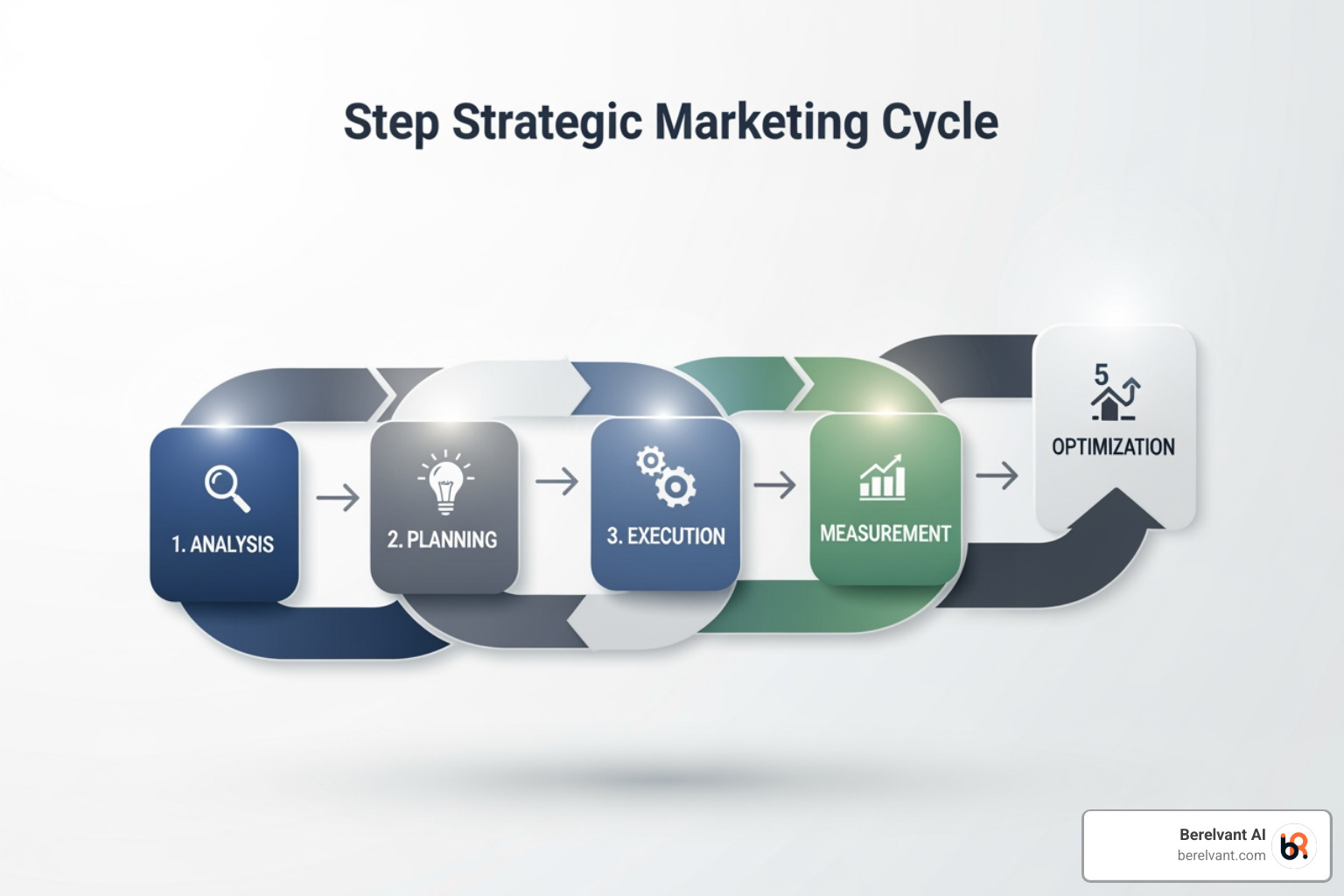
Developing successful influencer marketing strategies for enterprise clients is a meticulous process that we break down into actionable steps. This isn’t just about finding someone popular; it’s about engineering a system that delivers predictable, high-value outcomes.
-
Define System-Level Objectives:
We begin by moving beyond simple campaign goals. For us, establishing specific objectives means aligning our influencer marketing strategies directly with broader business outcomes such as market penetration, increasing customer lifetime value (CLTV), or accelerating lead generation velocity. Are we aiming to boost brand awareness in a new market segment, drive direct sales for a specific product line, or establish thought leadership in a complex B2B niche? Clear, measurable goals are the bedrock upon which all subsequent actions are built. This helps create a clear path for the campaign’s success and allows us to track performance and make adjustments as needed. -
AI-Powered Influencer Identification & Vetting:
In the vast and often opaque world of social media, manual influencer findy is inefficient and prone to error. We leverage AI to analyze audience demographics, psychographics, and critical brand safety metrics across millions of profiles. This ensures that we select influencers not just for their reach, but for their authenticity, compliance history, and proven performance. Our AI tools can identify influencers who genuinely align with your brand’s mission, values, and message, significantly reducing the risk of misalignment and ensuring that partnerships foster trust between the influencer and their audience. This is crucial as consumers value authenticity, and nearly half believe most influencers are fake. We also vet for engagement rate, aiming for at least 2% engagement as a benchmark, and scrutinize past content for any red flags. -
Structure Performance-Based Partnerships:
We advocate for moving beyond one-off transactions to develop long-term ambassador programs. This means structuring contracts for outcomes, not just posts. We define clear deliverables, content usage rights (crucial for repurposing influencer content), and exclusivity clauses that protect your brand’s investment. Cultivating long-term relationships with influencers can bring about more authentic and effective collaborations, resulting in more genuine endorsements and sustained audience engagement. This approach also allows for deeper integration of our brand messaging and consistent content over time. -
Empower Creative Freedom within a Framework:
Authenticity thrives when influencers are given creative latitude. We provide a strategic brief outlining the campaign’s objectives, key messages, and brand guidelines, but we avoid dictating word-for-word scripts. Granting creative license allows influencers to produce content in their unique voice, which resonates far more genuinely with their audience. This content can then be repurposed across paid media and other enterprise channels, effectively changing influencer-generated content (IGC) into a scalable asset. 63% of marketers say influencer-generated content performs better than brand-directed content.
B2B vs. B2C: Nuanced Influencer Marketing Strategies
While the core principles of trust and authenticity apply across the board, influencer marketing strategies for B2B and B2C brands require distinct approaches:
B2B Influencer Marketing: For B2B, the focus shifts to thought leadership and establishing credibility within professional communities. We partner with technical experts, industry veterans, and key opinion leaders who can speak to complex solutions and address specific business challenges. Platforms like LinkedIn are crucial here, featuring content such as white papers, case studies, and in-depth analyses. B2B buyers value third-party interactions 1.4 times more than those with digital suppliers, making expert endorsements incredibly powerful. Our approach emphasizes demonstrating expertise and facilitating informed decision-making for enterprise buyers.
B2C Influencer Marketing: In the B2C space, influencer marketing strategies often hinge on relatability and social proof. The content is typically more visual and short-form, thriving on platforms like Instagram and TikTok. Campaigns might involve unboxings, tutorials, lifestyle integration, and direct calls to action for social commerce. The emphasis is on creating aspirational or relatable content that shows how a product fits into daily life, driving immediate engagement and purchase intent. For example, a travel blogger like Cory Lee, who specializes in accessibility travel, can authentically showcase a product like Winnebago’s Accessibility Improved RVs to a highly relevant B2C audience.
Mitigating Risk and Measuring True ROI
For enterprise clients, influencer marketing strategies must be built on a foundation of data-driven decision-making, robust governance, and sophisticated performance analytics. We don’t just run campaigns; we build systems that provide clear attribution modeling, ensuring that every dollar invested translates into measurable business value.
Navigating Compliance and Ensuring Global Transparency
Operating in regulated industries or across multiple countries demands meticulous attention to compliance and transparency. Our influencer marketing strategies are designed with these complexities in mind, particularly across the diverse regulatory landscapes of the Americas.
Adherence to advertising guidelines, such as those from the Federal Trade Commission (FTC) in the U.S., is non-negotiable. This means ensuring clear and conspicuous disclosures for all sponsored content, using hashtags like #ad or #sponsored. We proactively train our influencers on these requirements, making compliance an integral part of our partnership agreements. This not only keeps campaigns compliant but also builds credibility with the audience. Consumers are savvy; they appreciate transparency and can quickly spot inauthenticity. By prioritizing clear disclosures, we reinforce brand trust and mitigate significant legal and reputational risks that could arise from non-compliance.
Avoiding Common Pitfalls in Enterprise Campaigns
Even with the most sophisticated planning, influencer marketing strategies can stumble if common pitfalls are not actively avoided. For enterprise operations, these mistakes can have cascading negative effects.
Here are critical errors we help our clients circumvent:
-
Prioritizing vanity metrics (follower count) over engagement and audience alignment: A large following means little if the audience isn’t engaged or doesn’t align with your target demographic. We’ve seen that Instagram influencers with over 10 million followers achieve only 1.6% engagement. Instead, we prioritize deep audience analysis and engagement rates, looking for influencers whose followers are genuinely interested in their messages and, by extension, your brand.
-
Lack of a robust vetting process leading to brand safety issues: Trust is fragile. A single misstep by an influencer can severely damage brand reputation. Our AI-powered vetting processes go beyond surface-level checks, analyzing an influencer’s past content for brand safety, values alignment, and a history of respectful audience interaction. This proactive approach minimizes the risk of partnering with an influencer who could inadvertently harm your brand.
-
Overly restrictive creative briefs that stifle authenticity: While clear guidelines are essential, micro-managing an influencer’s content creation can strip away their unique voice and make the promotion feel inauthentic. We provide strategic frameworks and key messages, allowing influencers the creative freedom to integrate your brand naturally into their content. This approach yields more engaging and believable outcomes.
-
One-off campaigns instead of building a long-term, scalable content engine: Transactional, short-term engagements often fail to build lasting brand equity or authentic relationships. Our focus is on fostering long-term partnerships and ambassador programs that create sustained audience engagement and a consistent stream of high-quality, authentic content. This transforms influencer marketing into a scalable content engine rather than a series of isolated activations.
-
Failure to secure appropriate content usage rights for omnichannel amplification: Influencer-generated content is a valuable asset. Without clear contractual agreements on content usage rights, brands miss significant opportunities to repurpose this content across their own paid media, organic social channels, and other marketing materials. We ensure these rights are secured upfront, allowing for maximum amplification and ROI from every collaboration.
Advanced ROI Measurement Beyond Vanity Metrics
Measuring the true ROI of influencer marketing strategies at an enterprise level goes far beyond likes and comments. We implement sophisticated performance analytics and attribution modeling to provide a comprehensive view of impact.
Key performance indicators (KPIs) are tracked rigorously, including engagement rates, website traffic, and conversion rates. We deploy custom UTM parameters and unique affiliate codes for each influencer, enabling precise tracking of clicks, referrals, and sales generated. This allows us to attribute specific revenue directly back to individual influencer efforts, even within complex, multi-touch sales cycles. For example, Reforge found that sponsoring a trusted newsletter drove more than 85% qualified traffic.
Beyond direct conversions, we measure the impact on brand lift, sentiment, and share of voice. Tools for social listening help us monitor brand mentions and audience perception, providing qualitative insights into how influencer campaigns are shaping brand reputation. We also calculate Influencer Media Value (IMV) to quantify the equivalent value of earned media generated by influencer content. All this performance data is integrated into a central analytics dashboard, providing our clients with a real-time, holistic view of their influencer marketing strategies performance and enabling continuous optimization.
The Future of Influence: Emerging Trends and Advanced Applications
The landscape of influencer marketing strategies is dynamic, constantly evolving with technological advancements and shifting consumer behaviors. For enterprise brands, staying ahead means embracing emerging trends and advanced applications that promise even greater efficiency and impact.
AI-driven optimization is rapidly changing how we approach influencer marketing. From AI-powered influencer findy and vetting to predictive analytics for campaign performance and automated content moderation, AI acts as a speed and scale layer. It accelerates delivery, removes bottlenecks, and multiplies the impact of every campaign, especially across diverse, multicultural audiences in the Americas.
The movement toward video and audio-based content continues to dominate, with platforms like TikTok and YouTube offering increasingly personal experiences for audiences. Influencers can provide a more intimate connection than traditional text and image-based content, fostering stronger fan bases. We’re also seeing the rise of virtual influencers, AI-generated characters that offer brands complete control over messaging and appearance, though authenticity remains a key consideration.
Social commerce integration is another significant trend, blurring the lines between content and direct sales. Influencers are increasingly facilitating in-app purchases, live shopping events, and shoppable content, turning engagement directly into revenue.
Finally, we see a growing opportunity to leverage influence for social causes and community building. Enterprise-level purpose-driven campaigns, where brands align with influencers around shared values or social good, can build deeper emotional connections with audiences. Brands like Always, with their “LikeAGirl” campaign, have successfully used influencers to promote social causes, demonstrating that marketing can go beyond commerce to foster community and drive positive change.
Frequently Asked Questions about Influencer Marketing Strategies
How do you measure the ROI of influencer marketing in a complex sales cycle?
Measuring the ROI of influencer marketing strategies in a complex sales cycle, typical of enterprise B2B or high-value B2C, requires a multi-faceted approach. We focus on leading indicators such as qualified lead generation, pipeline velocity, and the cost per acquisition (CPA) from influencer-driven channels. This involves tracking unique referral links, coupon codes, and dedicated landing pages for each influencer. Furthermore, we employ multi-touch attribution models to assign value across the entire customer journey, recognizing that an influencer post might be an initial touchpoint that contributes to a conversion much later. We also monitor for indirect impacts like branded search lift and direct website traffic increases post-campaign, indicating heightened brand awareness and interest. Integrating these metrics into a comprehensive analytics dashboard provides a clear picture of the influencer’s contribution to revenue growth.
How can enterprises manage influencer relationships at scale across different countries and languages?
Managing influencer relationships at scale across diverse geographies and languages, particularly throughout the Americas, demands a centralized and intelligent approach. We implement a robust influencer relationship management (IRM) platform that acts as a single source of truth for all influencer data, contracts, and communication. This platform supports global brand guidelines while allowing for regional flexibility to accommodate cultural nuances. Crucially, we leverage local teams or partners for in-market vetting and communication, ensuring that messaging is culturally appropriate and resonates with specific audiences. AI plays a vital role here, facilitating multilingual content monitoring and performance analysis to ensure consistency, compliance, and optimal impact across all markets. This systematic approach ensures that even in regulated and multicultural environments, our influencer marketing strategies are executed effectively and compliantly.
What is the most critical factor for a successful long-term influencer partnership?
The most critical factor for a successful long-term influencer partnership is authentic alignment between the influencer’s core values and the brand’s mission. A partnership built on shared beliefs, rather than purely a transactional exchange, fosters genuine advocacy. This means the influencer truly believes in and uses the product or service they are promoting, making their endorsement feel credible and trustworthy to their audience. This authenticity translates into more engaging content, deeper audience trust, and a sustainable relationship that can evolve organically with your brand over time. When an influencer’s audience perceives this genuine connection, it significantly improves the impact of our influencer marketing strategies, leading to stronger brand loyalty and sustained growth.
Conclusion
Building a high-performance influencer marketing engine requires a strategic framework, data-driven execution, and a commitment to authentic partnerships. By moving beyond simple campaigns to create a scalable, integrated system, enterprises can open up significant revenue growth and build lasting brand equity. Berelvant AI builds and manages these end-to-end acquisition systems, integrating performance media and AI to drive measurable growth for complex, enterprise-level challenges. Explore our approach to building scalable growth engines.