Why AI-Powered Marketing Solutions Define Modern Enterprise Growth
AI-powered marketing solutions use machine learning, natural language processing, and predictive analytics to automate marketing processes, optimize campaign performance, and deliver personalized experiences at scale. These systems process massive datasets in real-time to improve targeting, reduce acquisition costs, and accelerate revenue growth.
Key capabilities of AI-powered marketing solutions:
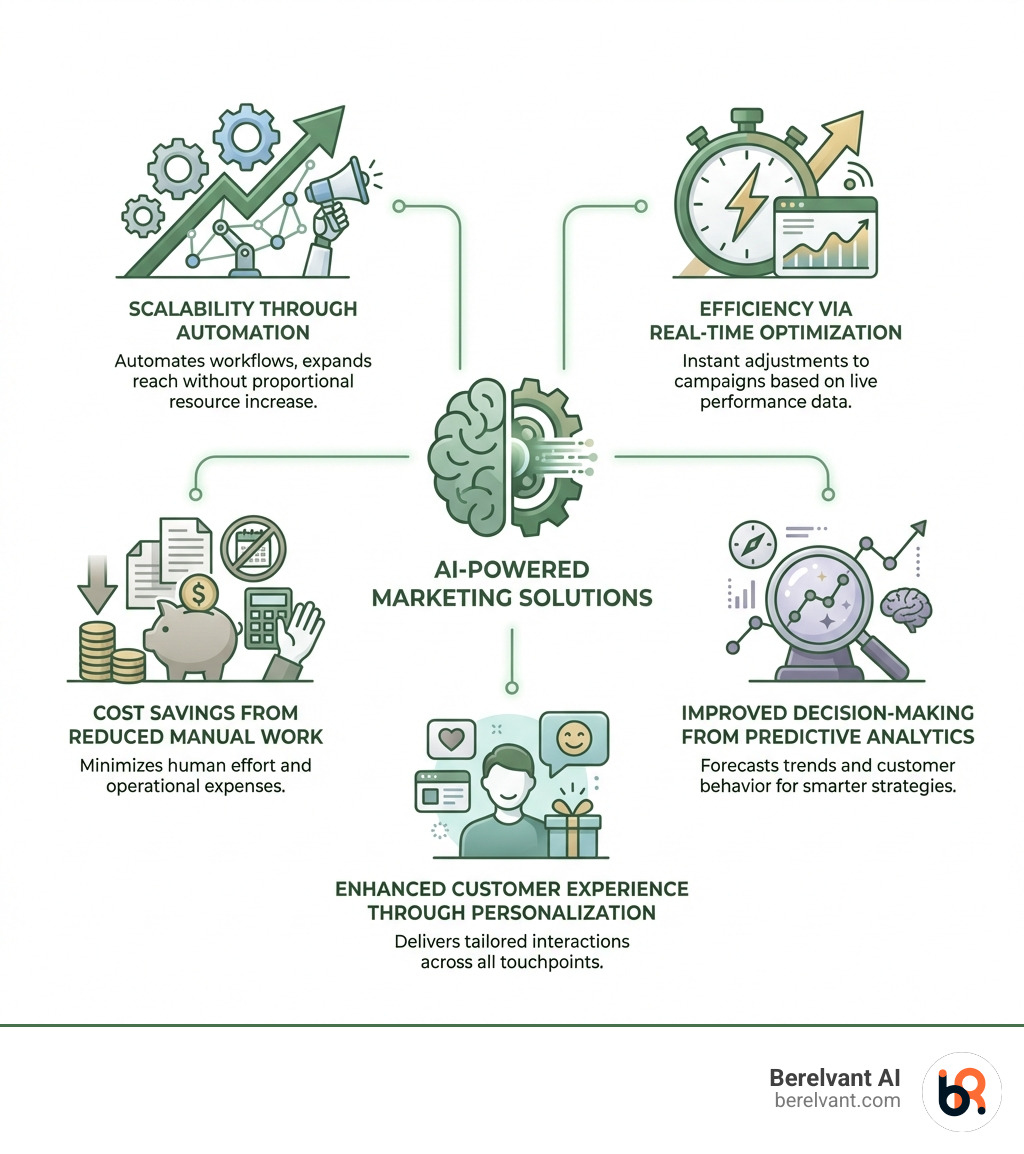
- Predictive analytics – Forecast customer behavior, segment audiences, and prioritize high-value leads
- Generative content – Automate creative production across channels while maintaining brand consistency
- Real-time optimization – Adjust bids, targeting, and messaging based on live performance data
- Personalization at scale – Deliver individualized experiences across multiple markets and languages
- Process automation – Eliminate manual workflows in campaign management, reporting, and content creation
The shift is fundamental. Chat-based search engines now intercept up to 25% of traditional search traffic, answering questions before users click any links. AI overviews dominate the first page of Google results. Generic content no longer drives traffic. The marketing funnel has changed—fewer visitors, but higher intent.
This creates a new operational requirement. Your acquisition system must scale creative velocity, maintain compliance across regulated markets, and convert high-intent traffic with precision. Manual processes cannot keep pace.
AI solves three critical problems: speed of execution, operational efficiency, and measurement clarity. It unifies fragmented workflows. It removes bottlenecks in creative production. It provides the visibility leadership needs to make faster, better decisions.
I’m Renzo Proano, and I’ve managed over $300 million in digital ad spend for brands including Microsoft, Cartier, and StoneX across financial services, SaaS, and e-commerce. I build AI-powered marketing solutions that replace slow, manual workflows with automated systems that scale acquisition, reduce costs, and deliver predictable revenue growth.
Relevant articles related to AI-powered marketing solutions:
The Core Mechanisms: Predictive vs. Generative AI
At the heart of every effective AI-powered marketing solution lies a sophisticated blend of data processing, pattern recognition, and the simulation of human intelligence. This isn’t magic; it’s a system-level approach to problem-solving, powered by algorithms that learn and adapt. The foundational technology enabling much of this intelligence are Large Language Models (LLMs), which learn from vast amounts of text and data to generate coherent, contextually relevant outputs. They are the backbone, allowing AI to identify trends, make predictions, and perform digital tasks with unprecedented accuracy and speed.

Predictive AI: Forecasting and Strategic Foresight
Predictive AI is our crystal ball, analyzing patterns in historical data to anticipate future outcomes. For enterprise marketers, this means moving beyond guesswork to strategic foresight. It’s about identifying which products a customer is most likely to purchase, pinpointing emerging market trends before they become mainstream, and segmenting audiences with surgical precision.
This capability is crucial for:
- Market Trend Analysis: Rapidly sifting through vast datasets to identify shifts in consumer behavior and market dynamics. AI makes sourcing information about competitors, market trends, and customer sentiment much simpler and faster.
- Customer Segmentation and Propensity Modeling: Creating highly granular audience segments and predicting their likelihood to convert, churn, or engage with specific offerings. This helps us focus resources on the most promising opportunities.
- Lead Scoring Automation: Automatically prioritizing leads based on their predicted value and likelihood of conversion, ensuring sales teams in Connecticut are engaging with the highest-quality prospects.
- Identifying Future Opportunities: Leveraging AI-driven insights to uncover untapped markets or product-service gaps.
- Data Unification for 360-Degree Customer Profiles: Unifying and enriching disparate data sources to create comprehensive customer profiles. This holistic view enables personalized engagement and helps identify future opportunities, as seen with solutions like Microsoft Dynamics 365 Customer Insights.
Predictive AI empowers us to make data-driven decisions that directly impact the bottom line, enhancing customer experiences and boosting productivity across our acquisition systems.
Generative AI: Scaling Content and Creative Execution
While predictive AI tells us what might happen, generative AI helps us create the how. It’s the engine that scales content creation and creative execution, changing our strategic insights into tangible marketing assets. Generative AI, as discussed in our guide to Generative AI Marketing, creates new content, such as realistic images, human-like writing, and even video, based on learned patterns.
For enterprise marketing, this means:
- Automated Content Creation: Rapidly generating high-quality creative copy for blogs, social media, email campaigns, and SEO optimization. AI workflows can write creative copy, helping to keep up with the demand for content and SEO optimization.
- Multilingual Creative Adaptation: Adapting marketing messages and creative assets for diverse multicultural audiences across the Americas, ensuring brand consistency while respecting local nuances. This is a core strength for Berelvant, operating in multi-country execution scenarios.
- Realistic Image and Video Generation: Producing visually striking graphics, automating video editing, and creating on-brand images at scale, as exemplified by tools like Midjourney for images or AI tools that automate video editing and content creation.
- Human-like Text Generation: Crafting compelling, contextually relevant text that resonates with target audiences. This allows us to scale personalized messaging without sacrificing quality.
- Maintaining Brand Voice Across Markets: Ensuring that all AI-generated content adheres to established brand guidelines and voice, even when adapted for different regions or languages. This is critical for regulated industries and compliance-heavy environments where brand consistency is paramount.
Generative AI acts as a creative force multiplier, enabling us to produce a high volume of quality content faster and more efficiently, removing bottlenecks in our creative infrastructure.
Changing the Enterprise Marketing Engine with AI-Powered Marketing Solutions
The integration of AI-powered marketing solutions isn’t merely about adopting new tools; it’s about fundamentally re-architecting the enterprise marketing engine. We’re moving from fragmented processes to end-to-end acquisition systems that unify disparate marketing functions, driving measurable revenue growth with unprecedented precision.
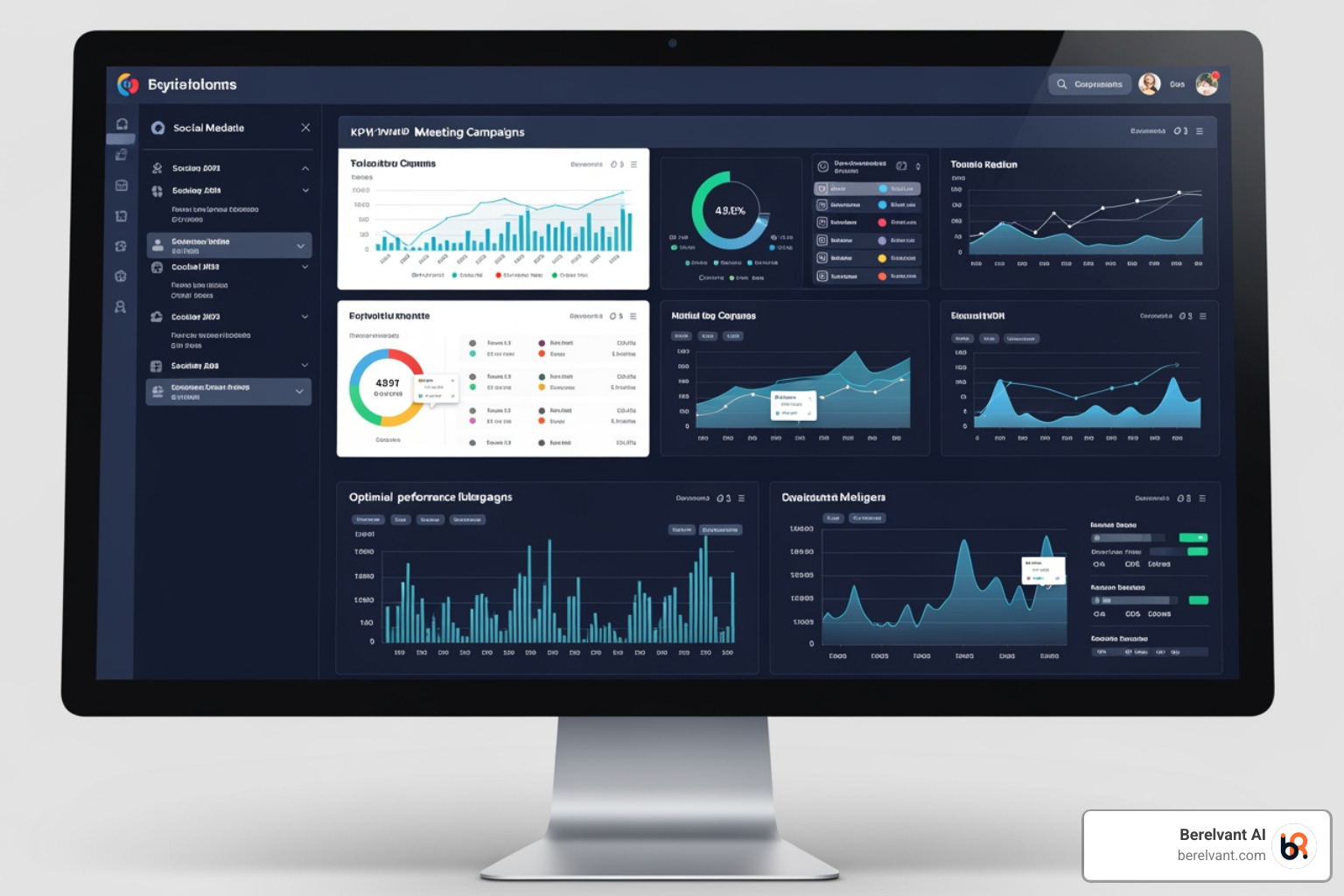
This change is vital for organizations operating in complex, competitive landscapes, such as those in Westport, CT, and Fairfield, CT, where strategic advantage comes from operational excellence and data-driven insights. AI provides the speed and scale layer that accelerates delivery, removes bottlenecks, and multiplies the impact of every campaign.
Scaling Creative Infrastructure and Content Pipelines
In the past, scaling creative output meant scaling headcount, often leading to increased costs and slower time-to-market. With AI, we can automate the entire content lifecycle, from the initial campaign brief to publication, ensuring on-brand asset generation at every step. This involves building intelligent Creative Workflow Automation systems that integrate AI into every stage.
- Automating the Content Lifecycle: AI platforms like Jasper are purpose-built for “AI Content Automation,” unifying brand voice, connecting workflows, and automating the entire content lifecycle through intelligent “Content Pipelines.” This means we can move faster, stay on brand, and scale content across every channel and market.
- From Campaign Brief to Publication: AI can assist in drafting campaign briefs, generating thousands of product descriptions, writing long-form content for SEO, and crafting press releases. This drastically reduces the time and effort required for content production.
- On-Brand Asset Generation: With AI, we can ensure every piece of content, whether text or image, adheres to strict brand guidelines. Solutions like Jasper’s “Brand IQ” act as a proprietary context hub for brand knowledge, ensuring quality and authenticity.
- Global Execution at Local Speed: For multi-country operations, AI enables us to produce high-quality, localized marketing content at scale, launching local campaigns with global speed.
- Empowering Marketers with Intuitive Automation Tools: AI marketing tools integrate with LLMs and existing marketing workflows to automate internal processes for marketers. This frees up our talented teams to focus on strategy, creativity, and high-value tasks, rather than repetitive manual work. As Shopify CEO Tobi Lütke noted, all employees need to leverage AI tools in some way.
Mastering AI-Powered Search and Content Findability
The landscape of content findability has been fundamentally rewritten by AI-powered search. With chat-based search engines like Perplexity AI and ChatGPT answering questions directly, and AI overviews dominating Google’s first page, the traditional click-through model is changing. This necessitates a radical shift in our approach to content.
- Adapting to AI Overviews: We must optimize our content not just for traditional SEO but also for Answer Engine Optimization (AEO), ensuring our information is structured to be easily digestible and directly answer user queries within AI summaries.
- Intercepting High-Intent Traffic: While overall website visits might decrease due to AI providing direct answers, the visitors who do reach our sites will have significantly higher purchase intent. Our strategy must focus on meeting these qualified visitors with highly relevant, data-driven personalization.
- Moving Beyond Generic Content: Generic content is losing its impact. AI-powered search demands unique, authoritative, and deeply personalized content that addresses specific user needs and pain points.
- Data-Driven Personalization for Qualified Visitors: Leveraging predictive AI, we can tailor content experiences to individual users, ensuring relevance and improving engagement. This personalized approach is key to converting high-intent traffic.
- Answering Questions Before the Click: Our content strategies must anticipate user questions and provide clear, concise answers, whether directly in AI overviews or through highly targeted landing pages that resolve specific queries.
Optimizing Performance Media with AI-powered marketing solutions
For enterprise performance media, AI is no longer an option; it’s a prerequisite for competitive advantage. AI-powered marketing solutions transform advertising from manual guesswork into data-driven precision, optimizing every aspect of our campaigns. This is particularly relevant for PPC management, where real-time adjustments and hyper-targeting drive significant ROI.
- Real-Time Bid Adjustments: AI continuously monitors campaign performance and makes real-time adjustments to bidding strategies, ensuring we’re always optimizing for the best possible outcome. This is a cornerstone of effective AI-Powered PPC Management.
- Improved Audience Targeting: AI marketing is the future for how we connect with our target audiences. By analyzing massive datasets of user behavior, intent, and search patterns, AI can refine targeting to reach the right audience at the right time, minimizing wasted ad spend.
- Minimizing Wasted Ad Spend and Maximizing ROI: AI-powered search ads leverage machine learning algorithms to automatically refine targeting, bidding, and content strategies. This reduces unnecessary costs while maximizing returns, making every dollar of our ad budget work harder. Companies like Albert.ai have shown remarkable results, helping Harley Davidson achieve a five-fold swell in site traffic and a 2,930% increase in leads per month by personalizing and optimizing ad content at scale. This “data-powered creativity” is the new standard.
- Automating Ad Creation and A/B Testing at Scale: AI can automate ad creation, generating multiple variations of headlines, copy, and visuals. It can then run rapid A/B tests, learning from performance data to refine messaging and improve conversion rates across platforms. This capability is vital for maintaining agility in dynamic markets.
Architecting and Implementing Your AI Marketing System
Building an effective AI-powered marketing solution isn’t just about selecting individual tools; it’s about architecting an integrated system that connects intelligent workflows, integrates diverse platforms, and ensures compliance, especially in regulated industries. Our approach is holistic, focusing on seamless system integration to create a unified, high-performance marketing engine.
Effective Implementation of AI-powered marketing solutions
Implementing AI successfully requires a structured approach that prioritizes clarity, data quality, and continuous improvement. For enterprise-level organizations in Connecticut, this means a rigorous process:
- Defining Clear Objectives: Before deploying any AI solution, we must clearly articulate what we aim to achieve. Are we looking to increase lead volume, reduce customer acquisition cost, improve personalization, or accelerate content creation? Clear goals guide AI integration.
- Choosing the Right Platforms: The market is flooded with AI tools, many of which now leverage LLMs like ChatGPT, Claude, Gemini, or Grok. We select platforms that offer robust AI capabilities, align with our strategic objectives, and can seamlessly integrate into our existing marketing stack. Tools like Zapier, with over 3,000 integrations, are crucial for connecting disparate systems.
- Focusing on High-Quality Data Infrastructure: AI is only as good as the data it’s trained on. We prioritize building a clean, unified, and accessible data infrastructure to feed our AI models. This includes consolidating customer data, performance metrics, and market insights.
- Continuous Testing and Refinement: AI models learn and improve over time. We establish a culture of continuous testing, A/B experimentation, and model refinement. This iterative process ensures our AI solutions are always optimized for peak performance and adapting to new market conditions.
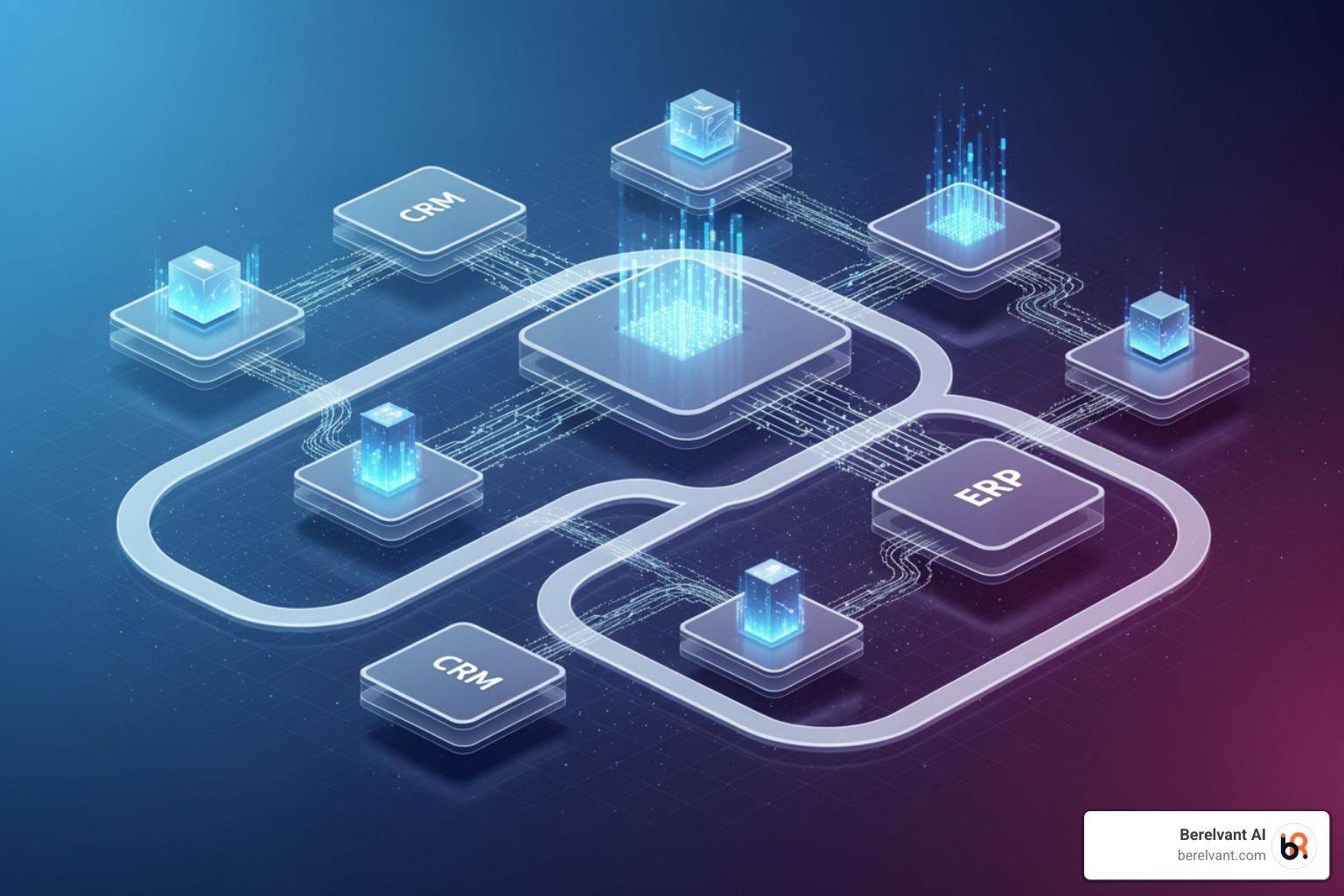
- Integrating with Existing Marketing Stacks: A successful AI implementation doesn’t rip and replace; it integrates. We ensure new AI tools improve and connect with our current CRM, marketing automation, and analytics platforms, creating a cohesive ecosystem.
Addressing Challenges: Governance, Security, and Over-Reliance
While the benefits of AI are undeniable, we must also proactively address potential challenges to ensure responsible and effective deployment. For businesses operating in compliance-heavy environments, this is paramount.
- Data Privacy and Compliance (GDPR, CCPA, etc.): Handling vast amounts of customer data with AI necessitates strict adherence to global and local data privacy regulations. Our solutions prioritize enterprise-grade security and governance, ensuring data protection and privacy.
- Enterprise-Grade Security: AI systems, especially those processing sensitive customer information, must be secured against cyber threats. We implement robust security protocols, including LLM-optimized architectures with built-in security, governance, and compliance, as highlighted by platforms like Jasper.
- The Need for Human Oversight: AI is a powerful assistant, but it’s not a replacement for human intelligence, creativity, or critical thinking. Over-reliance on automation can lead to missed opportunities or unintended consequences. Human oversight is essential for quality control, strategic direction, and ethical considerations.
- Avoiding Budget Overruns: While AI promises cost savings, initial implementation and ongoing optimization can be significant. Careful planning, clear ROI metrics, and continuous monitoring are crucial to avoid budget overruns.
- Mitigating AI Bias: AI models can inadvertently perpetuate biases present in their training data. We actively work to identify and mitigate potential biases in our AI solutions to ensure fair and equitable marketing practices.
- The Learning Curve for Enterprise Teams: Adopting AI requires new skills and a shift in mindset. We invest in training and support for our teams, ensuring they are comfortable and proficient in leveraging AI tools to their full potential.
The Future Trajectory: Emerging Trends and Strategic Imperatives
The evolution of AI in marketing is a continuous journey. To maintain a competitive edge, especially for enterprise organizations in Connecticut, we must stay ahead of the curve, anticipating future shifts in user behavior and technological advancements. The next generation of AI-powered marketing solutions promises even deeper integration, greater autonomy, and unparalleled personalization.
Hyper-Personalization and Agentic AI
The future of AI in advertising includes hyper-personalization, delivering truly one-to-one experiences at enterprise scale. This goes beyond basic segmentation to dynamic, real-time customization of messages, offers, and entire customer journeys.
- Delivering 1:1 Experiences at Enterprise Scale: AI enables us to analyze individual customer data points in real-time, delivering highly relevant content and offers across all touchpoints. This level of personalization drives deeper engagement and higher conversion rates.
- AI Agents Executing Complex Marketing Tasks: We’re moving towards “agentic AI,” where AI systems act as autonomous agents, understanding marketing needs and executing complex tasks without constant human prompting. These agents can manage entire campaigns, optimize performance, and adapt strategies proactively.
- Autonomous Campaign Management: Imagine AI systems that can autonomously design, launch, monitor, and optimize marketing campaigns, making real-time adjustments across channels to achieve predefined KPIs. This frees up human marketers for high-level strategy and innovation.
- Proactive Customer Engagement: AI agents can anticipate customer needs and proactively engage them with relevant information or solutions, changing customer service into a proactive, personalized experience.
Voice Search Integration and Conversational Marketing
The rise of voice assistants and conversational interfaces is reshaping how customers interact with brands. The future of AI in advertising will increasingly include voice search integration, requiring marketers to adapt their strategies for a more natural, spoken interaction.
- Adapting to Conversational Queries: As users increasingly rely on voice search, our SEO and content strategies must optimize for natural language queries rather than just keywords. This means understanding intent and providing direct, concise answers.
- Optimizing for Voice Assistants: Content needs to be structured and delivered in a way that is easily consumable by voice assistants, providing immediate value to the user.
- The Future of Chatbots and AI Calling Agents: Chatbots, powered by advanced LLMs, are evolving beyond simple FAQs to sophisticated conversational marketing tools. Coupled with solutions like AI Calling Agent Automation, we can provide real-time, intelligent customer service and lead qualification, engaging customers effectively and efficiently.
- Real-Time Customer Service Automation: AI-powered conversational platforms can handle a vast array of customer inquiries, providing instant support and freeing up human agents for more complex issues, leading to improved customer satisfaction and operational efficiency.
Conclusion
AI-powered marketing solutions are not just a trend; they are a strategic imperative for enterprise growth. They act as a force multiplier, enhancing human expertise rather than replacing it. By automating repetitive tasks, providing unparalleled insights, and enabling hyper-personalization at scale, AI empowers our teams to achieve outcomes previously unimaginable.
At Berelvant, we believe in building a unified engine for acquisition. We integrate performance media, multilingual creative, automation, and analytics into a cohesive system that drives measurable revenue growth. For businesses operating in regulated industries, compliance-heavy environments, or across multicultural audiences in the Americas, AI provides the speed, scale, and precision needed to thrive. It’s about creating a smarter, more efficient, and more effective path to your business objectives.
Ready to transform your marketing operations and open up unparalleled growth? Let us help you Build your end-to-end acquisition system.